When the Lights Go Out Literally
There’s a funny thing about electricity in India — you never realize how much you depend on it until your Wi-Fi router goes dark and your phone’s at 8%. Whether you’re working from home, cooking with that fancy air fryer, or just mid-binge on Netflix, a power cut can turn your day upside down in seconds. That’s when Power Backup solutions in India come to the rescue — quietly saving us from chaos while we pretend we had it all under control.
I mean, let’s be honest. Power cuts aren’t exactly new here. From small towns where voltage fluctuates like a mood swing to metro cities where the grid collapses during peak summer, we’ve all had our share of blackout drama. I still remember one evening in Delhi — power went off just as my laptop hit saving document, and the only thing I could save was my patience barely. That’s when I realized having a backup isn’t luxury anymore, it’s basic survival.
The Growing Power Backup Craze
Here’s something not many people know — India’s backup power market is growing fast. Like, over 9% CAGR fast according to some reports I came across while doomscrolling one night. Blame it on our booming digital lifestyle, WFH setups, and all those energy-hungry devices we can’t live without.
Social media is full of people showing off their new inverters or solar setups like they just bought a Tesla. And honestly, it’s not just for flex. The demand for cleaner, smarter backup systems — especially solar-based — is skyrocketing because people are tired of those noisy, fuel-guzzling generators. Also, the government’s push for renewable energy is making solar inverters and lithium battery systems way more accessible now.
Why Old School Isn’t Cool Anymore
Remember those giant, humming generators from a decade ago? The ones that made you feel like you were sitting next to a truck engine? Yeah, those are slowly going extinct. Today’s power backup systems are way smarter — compact, silent, and green.
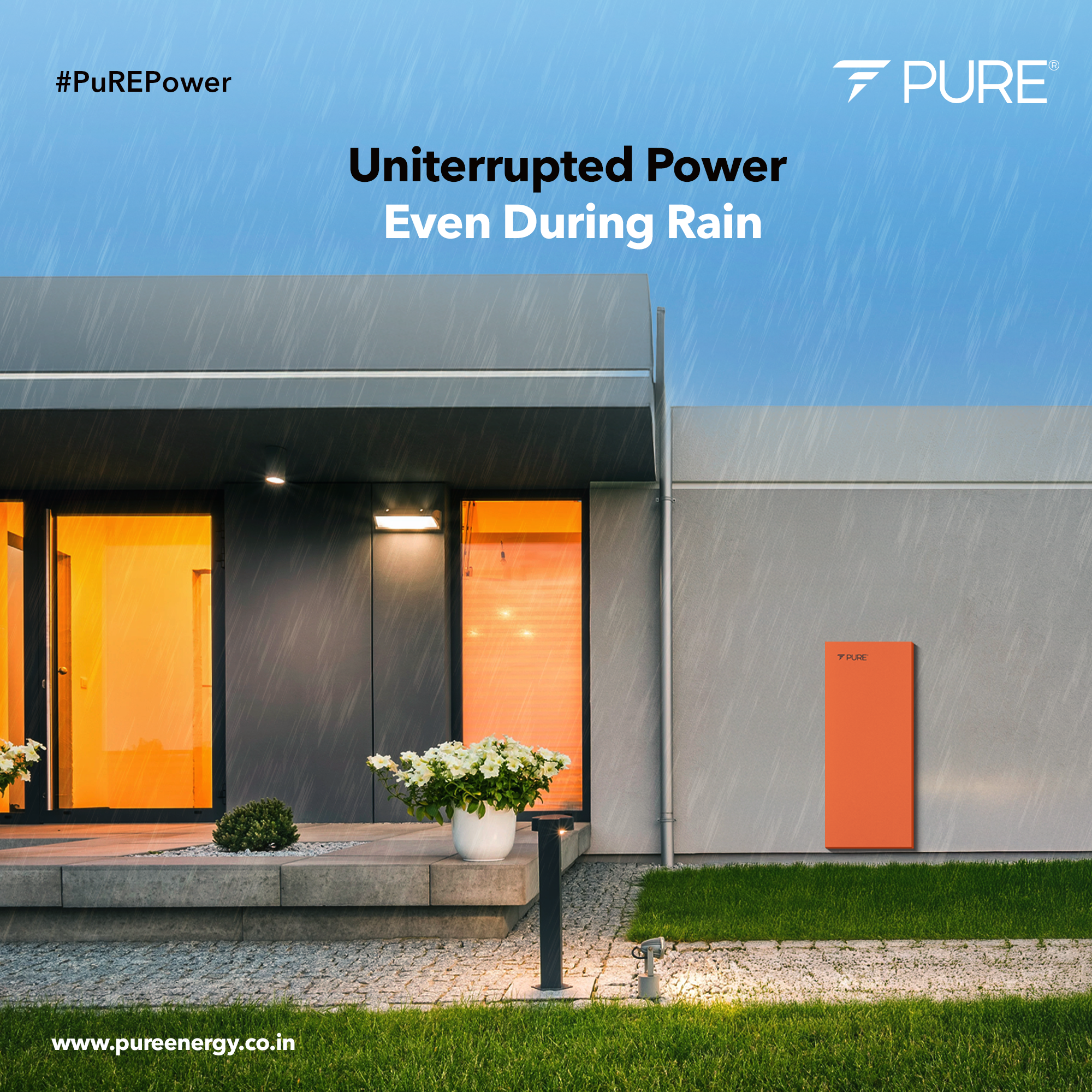
Companies like Pure Energy are leading this quiet revolution. They’re not just selling batteries; they’re selling peace of mind. Whether it’s homes, offices, or entire factories, modern systems can kick in within seconds when the power goes off — no noise, no fumes, no drama.
And the best part? Many of these setups are solar-compatible. That means you can literally run your home off the sun and still charge your phone at midnight. It’s like having a personal mini power station, minus the pollution guilt.
The Real Cost of Being Unprepared
Let’s do some quick math. A mid-sized inverter setup might cost less than a new smartphone. Yet people still hesitate to invest in one, until the next long outage hits and they’re Googling how to charge laptop without electricity. Meanwhile, businesses lose lakhs every year just because of downtime during power failures.
Power backup isn’t about convenience anymore — it’s about continuity. Whether you’re running a home office or a restaurant with freezers full of stock, a few hours without power can turn into a full-blown crisis.
So, What’s the Future?
India’s power scene is changing fast. There’s this blend of tech and sustainability coming together — like solar hybrid systems that can store excess power, AI-based energy management tools, and even IoT-enabled batteries that tell you when they’re running low because even batteries want attention now.