
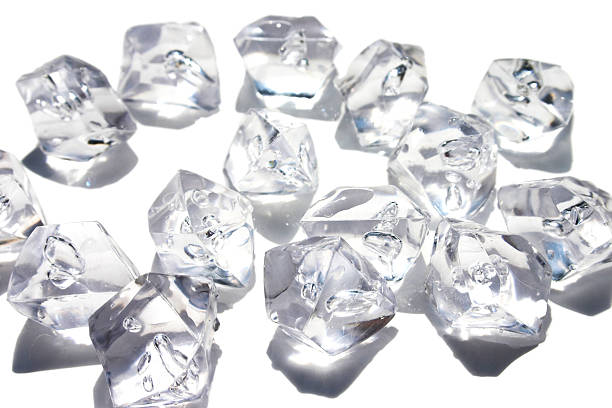
In the domain of diamonds, diamonds stand peerless for their unparalleled beauty and lasting value. The allure of these beautiful stones has led to a surge in the result of synthetic diamonds that closely resemble their normal counterparts.
With progress in technology, creating fake diamonds that look real like genuine diamonds has become a complex process that demands precision and expertise.
Science Behind Synthetic Diamonds
Synthetic diamonds, also known as workshop-grown or cultured diamonds, are produced through a painstakingly controlled process that replicates the natural environments under which diamonds are formed deep within the Earth’s cloak. These lab-grown diamonds possess alike physical, synthetic, and optical properties to unaffected diamonds, making bureaucracy virtually indistinguishable from the manifest eye.
Step 1 – Seed Crystal Formation
The process of creating fake diamonds that look real begins with a limited diamond source, which serves as the foundation for the growth of the synthetic diamond. This seed crystal is established in a high-pressure, extreme-temperature (HPHT) environment in addition to a carbon origin, typically a graphite material.
Step 2 – Heating and Pressure Application
Once the source crystal is working, the HPHT environment is heated to extreme hotnesses exceeding 2000 strengths Celsius and subjected to pressures that replicate the environments found deep inside the Earth. This intense heat and pressure facilitate the metamorphosis of the carbon beginning into a crystalline structure, tier by layer, about the seed crystal.
Step 3 – Crystal Growth and Refinement
As the element atoms arrange themselves into a trellis structure, they bond together to form a fake diamonds that look real evenly grow in size over occasion. The process of crystal progress is closely monitored to guarantee the desired shape, color, and clearness are achieved.
Advanced techniques in the way that chemical mist deposition (CVD) may likewise be employed to improve the quality of the synthetic diamond.
Step 4 – Cutting and Polishing
Once the fake diamonds that look real reach their optimal proportion, they undergo the same cutting and polishing process as natural diamonds to enhance allure brilliance, and sparkle. Skilled artisans carefully shape the diamond utilizing precision tools to build facets that indicate and refract light, giving the gravel its characteristic sparkle and fire.
Step 5 – Treatment and Enhancement
To further mimic the characteristics of natural diamonds, artificial diamonds can undergo additional situations and enhancements, such as laser drilling or rupture filling, to increase their clarity and color. These techniques help mask some imperfections and reinforce the overall beauty of the synthetic diamond.
Step 6 – Certification and Authentication
Before being introduced into the stock exchange, fake diamonds that look real experience rigorous experiments and certification processes to ensure their feature and authenticity. Independent gemological labs assess synthetic diamonds based on the unchanging criteria used for instinctive diamonds, containing the 4Cs – cut, color, clarity, and carat weight.
Conclusion
The process of designing fake diamonds that look real like natural diamonds is a complex and intricate endeavor that blends accomplishment with cutting-edge electronics. Through a meticulous association of high-pressure, high-hotness conditions, exact control of carbon sources, and expert skill, synthetic diamonds are crafted to exhibit the same brightness, fire, and scintillation as their unrefined counterparts.
As technology continues to advance, the line middle from two points natural and synthetic diamonds continues to cloud, offering consumers a more expansive range of options to pick from while upholding the timeless appeal of these craved diamonds.