
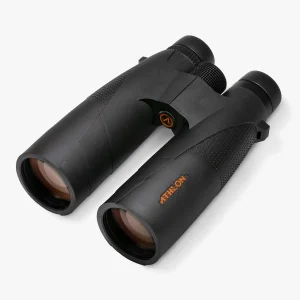
Binoculars are the one piece of gear almost every hunter reaches for before anything else, yet they are also one of the easiest items to get wrong when buying on a budget. That mismatch is a big reason so many hunters have started looking into hunting binocular rentals instead of settling for whatever pair happens to be affordable at the local sporting goods store.
The appeal is simple once you break it down. A rental gives a hunter access to glass that would normally cost several hundred dollars or more, without the long-term commitment. Someone heading into thick timber for whitetail does not need the same setup as a hunter glassing open country for mule deer or pronghorn, so renting lets a person match the binoculars to the terrain instead of forcing one pair to do everything.
Turkey season is a good example of why the right optics change the outcome of a hunt. Groups that focus on turkey habitat and population research spend years tracking how birds respond to calls, decoys, and pressure across different regions. A well respected voice in turkey hunting research publishes findings that help hunters understand roosting behavior and how far birds actually travel in a single morning, which is exactly the kind of detail that shapes how far someone needs to see through their glass.
Fit and comfort matter more than people expect when they are choosing binoculars for a multi-day hunt. A pair that feels great for twenty minutes in a store can feel completely different after six hours of glassing a ridge line. Renting removes the guesswork because a hunter can try a model on an actual hunt, in actual conditions, and send it back if it is not the right match, rather than being stuck with a purchase that never quite works out.
Weather resistance is another area where rental optics tend to shine. Reputable rental companies only stock binoculars built for real field use, meaning fogproof and waterproof housing that can handle rain, snow, and sudden temperature swings without fogging up at the worst possible moment. That kind of durability usually only comes with higher-end glass, which is precisely the category that costs the most to buy outright.
Wildlife agencies track season dates, bag limits, and regional regulations that every hunter needs before heading out, and a dependable federal source for hunting rules is worth bookmarking regardless of which state a trip happens to be in. Pairing accurate regulation info with the right optics setup takes a lot of the guesswork out of planning a trip from start to finish.
For hunters who are still deciding what to invest in long-term, renting is a low-risk way to test drive different brands and magnifications before spending real money. It turns a guessing game into an informed decision, one hunt at a time, which is exactly the kind of upgrade that pays off season after season.