
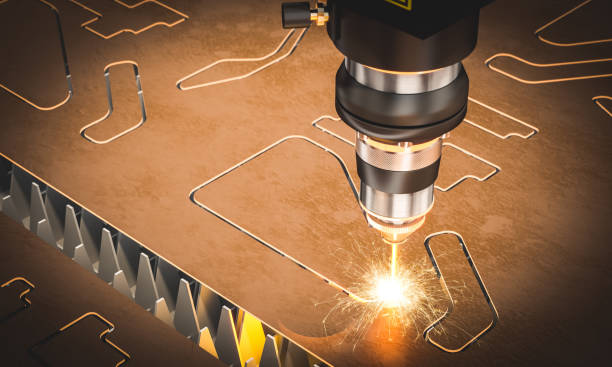
Metal fabrication shops often face a critical decision when choosing the right cutting technology. While both air plasma and high-definition systems rely on ionized gas to slice through conductive materials, the results they produce can vary significantly. From precision and edge quality to cost and production speed, each method serves a different purpose. Whether a shop is investing in a standalone plasma cutter or upgrading to a full CNC plasma cutting machine, understanding these differences helps ensure the right fit for long-term performance and profitability.
Air Plasma Cutting Explained Through Speed and Simplicity
Air plasma systems are known for their accessibility and ease of use. A standard plasma cutter that uses compressed air can handle a wide range of materials, making it a practical option for smaller shops or general fabrication work. These systems are often paired with entry-level automation setups or manual operation.
For businesses exploring automation, integrating an air-based CNC plasma cutter provides a cost-effective way to increase output without a major upfront investment. While the cut quality may not be as refined as high-definition systems, the speed and simplicity make it ideal for projects where precision tolerances are less critical.
High-Definition Plasma Systems Built for Precision Results
High-definition plasma technology takes cutting accuracy to another level. These systems use advanced gas control, tighter arc constriction, and optimized torch design to deliver cleaner edges and more precise cuts. A modern CNC plasma cutting machine equipped with high-definition capability can produce parts that require little to no secondary finishing.
This level of precision is especially valuable for industries where tight tolerances matter. Many businesses searching for CNC companies near me are often looking for shops that offer high-definition cutting because it ensures consistent, professional-grade results across large production runs.
Edge Quality and Kerf Differences That Impact Final Output
One of the most noticeable differences between air and high-definition systems lies in edge quality. Air plasma tends to produce wider kerf widths and slightly rougher edges, which may require grinding or finishing. In contrast, ahigh-definition CNC plasma cutter delivers a narrower kerf and smoother finish.
For a CNC machine company focused on producing high-end components, this distinction directly affects efficiency. Cleaner cuts reduce the need for rework, saving both time and labor. Over time, improved edge quality can significantly enhance overall production workflow and customer satisfaction.
Cost Considerations That Shape Equipment Decisions
Budget often plays a decisive role when choosing between air and high-definition systems. Air plasma equipment typically comes with a lower initial cost, making it attractive for startups or smaller fabrication shops. Maintenance and consumables are also generally more affordable.
High-definition systems, while more expensive upfront, offer long-term value through increased precision and reduced finishing work. A CNC plasma cutting machine with advanced capabilities can handle complex projects that command higher margins. Many businesses weigh these factors carefully when consulting a CNC machine company about upgrading their equipment.
Production Speed and Efficiency in Real-World Applications
Speed is another factor where both systems excel in different ways. Air plasma cutting is fast and efficient for thicker materials and general-purpose work. It allows shops to complete jobs quickly without overcomplicating the process.
High-definition systems, on the other hand, balance speed with precision. While they may operate slightly slower in some cases, the reduced need for secondary processing often results in faster overall project completion. Shops comparing options often look to CNC companies near me for guidance on which system aligns best with their production goals and workload demands.
Choosing the Right Plasma Solution for Your Operation
Selecting between air and high-definition plasma ultimately depends on the type of work being performed. Shops focused on basic fabrication or repair work may find that a standard plasma cutter meets their needs without unnecessary complexity. Meanwhile, operations requiring detailed, repeatable cuts benefit from investing in a high-performance CNC plasma cutter.
Working with an experienced CNC machine company can help clarify these choices. By evaluating material types, production volume, and desired finish quality, businesses can choose a system that supports both current needs and future growth. In the end, the right plasma solution is the one that aligns with how the shop operates—and where it plans to go next.