Trying to survive Indian power cuts without backup… good luck
Have you ever noticed how power cuts always happen at the worst possible time? Like your phone is dying at 8%, the fridge is mid-defrosting something important, and suddenly boom — lights out. Honestly, I’ve always felt like electricity in India has its own sense of humor. My hometown used to have these random evening outages where my inverter would start sounding like a groggy old man waking up from a forced nap.
So yeah, having proper power backup solutions for home has become less of a luxury and more like… survival gear. Kind of like how people keep snacks in their bags “just in case,” except this one saves you from sweating in May when the fan stops.
The way I see it… backup power is like a financial insurance policy
I always explain power backup to my friends like it’s a financial analogy because that’s literally the only way people pay attention. Think of electricity like income. When your salary stops suddenly, you don’t freak out if you’ve got emergency funds. Same with power. When the grid takes a day off (which feels too often), your inverter or backup system is basically your emergency savings coming to the rescue.
And honestly, most people ignore backup systems until their freshly cooked dal is sitting in a dead fridge and they’re googling “why does milk smell weird after power cut.” Trust me, I’ve been there.
A thing nobody talks about: your appliances age faster without reliable backup
This is one of those lesser-known facts that I accidentally learned from an electrician who came to fix my dying home inverter once. Apparently, frequent power cuts and voltage drops basically force your appliances to do the electrical equivalent of sprinting and stopping suddenly. It messes up compressors, chargers, and even LED TVs.
That’s why people who invest in proper power backup solutions for home actually end up saving money long term. Not because they’re electricity geniuses but because their appliances live longer. It’s like giving your home a multivitamin.
Online chatter says people are shifting from cheap inverters to smarter setups
If you scroll through Reddit or even random Twitter threads, you’ll find people increasingly talking about hybrid power systems. Especially after those crazy summer blackouts last year. Everyone’s suddenly becoming an energy expert. You’ll see comments like “bro solar + lithium batteries is the future” or “stop buying lead-acid, it’s 2025 not 1998.”
It’s kinda funny but also kinda true. Smarter power backup is becoming the norm, not the fancy upgrade.
My personal inverter trauma story
Around two years ago, my old inverter literally gave up during a storm. Smoke. Smell. Sparks. The whole dramatic package. And there I was, holding a candle like some 90s Doordarshan drama character. That was the moment I realised that cheeping out on power backup is like buying knockoff shoes — looks fine for a while and then betrays you at the worst possible moment.
That incident sent me down a rabbit hole of understanding how different backup systems work. And honestly, the tech is pretty cool once you get into it. Lithium battery backups are lighter, charge faster, and don’t act like moody teenagers when the weather changes.
What actually makes a home backup system “good enough”
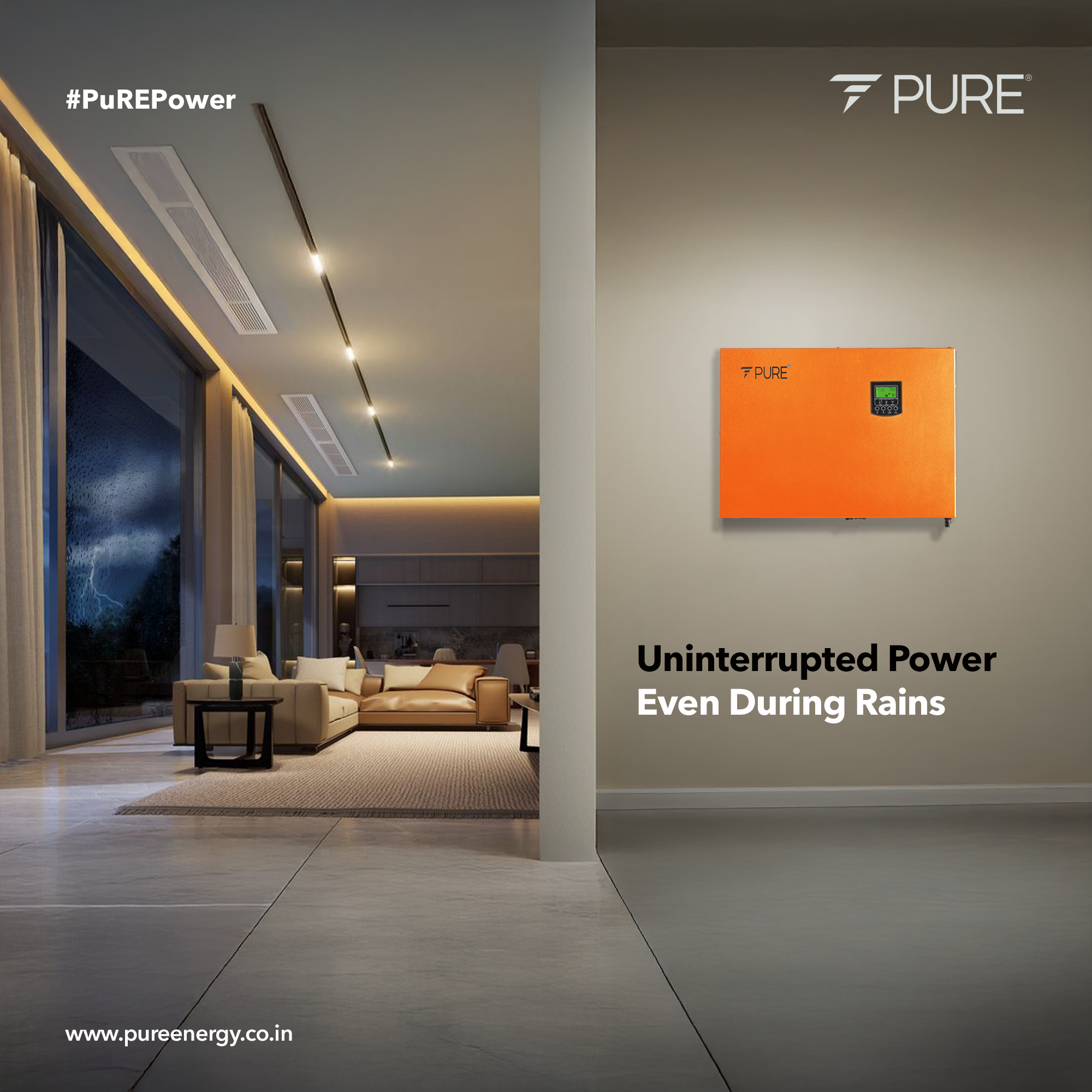
For me, it’s simple. A good power backup should charge fast, last long, and not sound like a truck reversing every time it kicks in. Consistent output matters too. If you pick something from a trusted provider like the options on power backup solutions for home at Pure Energy’s site , you usually get systems that aren’t just strong but smarter about load management.
I once saw a setup that automatically shifted between solar, grid, and battery depending on what was available. That’s the kind of “mini-brain” I want in a backup system, especially when I’m half asleep and don’t want to deal with switches.
A small but important point about long-term savings
People get scared by the initial cost of a good power backup system. And I get it. The price tag looks like it’s trying to pick a fight with your wallet. But long-term? It genuinely pays off. Because one, you’re not replacing batteries every 1.5 years. Two, your appliances don’t get tortured by sudden voltage drops. And three, your daily routine doesn’t get held hostage by power cuts.
Honestly, if you look at it like an investment — kind of like putting money into a SIP — it makes way more sense. Slow benefit, but steady benefit.
Final thoughts (not a conclusion, just me thinking out loud)
If you’ve been procrastinating on getting a solid backup system, don’t wait for that one dramatic blackout that ruins your day and half your monthly groceries. Explore something reliable, like the power backup solutions for home over at Pure Energy’s page: